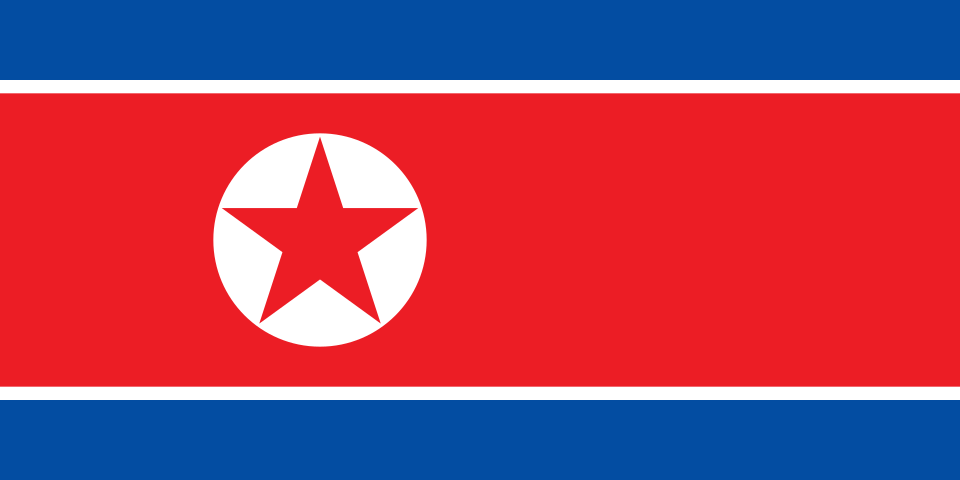
North Korea Travel Guide
The Democratic People's Republic of Korea
North Korea, officially the Democratic People's Republic of Korea (DPRK), is a country in East Asia occupying the northern portion of the Korean Peninsula. Known as the "Hermit Kingdom" due to its isolationist policies, North Korea remains one of the least visited countries in the world, making it a destination of intrigue for adventurous travelers. With a history dating back thousands of years and a unique political system, the DPRK offers a travel experience unlike any other—one that challenges perceptions and provides insight into a nation largely misunderstood by the outside world.
From the grand monuments of Pyongyang to the ancient capital of Kaesong and the sacred peaks of Mount Paektu, North Korea possesses a rich cultural heritage and stunning natural landscapes. While tourism is strictly controlled and visitors must travel with state-approved guides, those who venture here discover meticulously maintained historical sites, grand socialist architecture, and opportunities to interact with locals in ways that reveal the human side of this enigmatic nation.
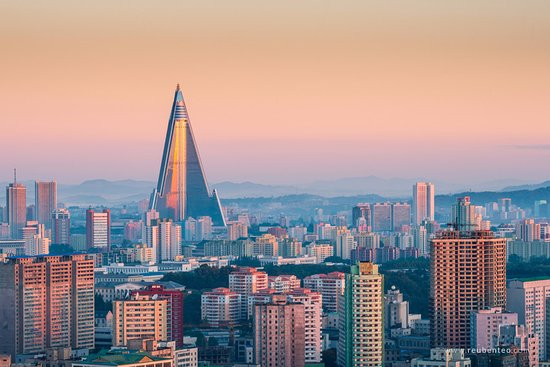
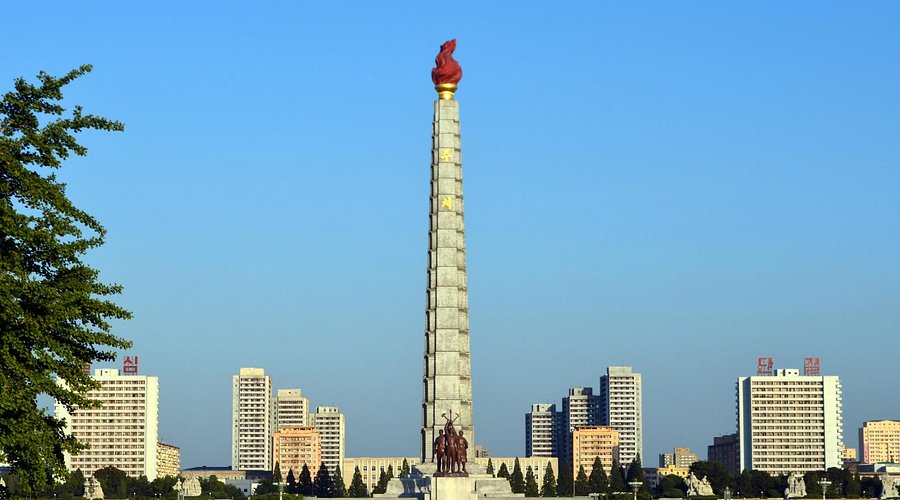
The capital and largest city of the DPRK, Pyongyang is the showcase of North Korea—a city of wide boulevards, monumental architecture, and meticulously maintained public spaces. With a population of over 3 million, Pyongyang is surprisingly modern, featuring a newly developed waterfront, contemporary apartments, and leisure facilities that include water parks, dolphinariums, and riding clubs. The city's skyline is dominated by the iconic Ryugyong Hotel, a 105-story pyramid-shaped skyscraper, and the Juche Tower, a 170-meter granite monument topped with a flickering flame.
Visitors to Pyongyang will explore grand socialist monuments including the Mansudae Grand Monument, featuring massive bronze statues of Kim Il Sung and Kim Jong Il. The Victorious Fatherland Liberation War Museum offers a unique perspective on the Korean War, including the captured American spy ship USS Pueblo. For a glimpse of daily life, the Kwangbok Supermarket allows foreigners to shop using local currency. As evening falls, take a cruise on the Taedong River or witness the spectacular Arirang Mass Games (when operating)—a choreographed display involving tens of thousands of performers. Pyongyang is clean, orderly, and presents a fascinating window into North Korean ideology and urban planning.
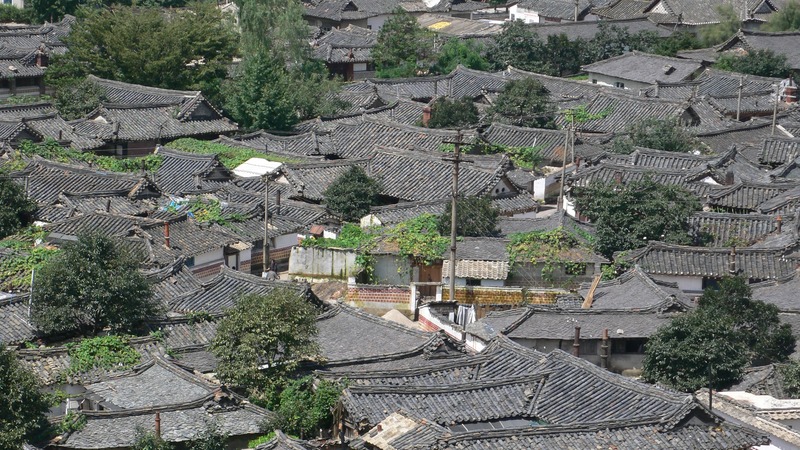
Once the capital of the Koryo Dynasty that ruled Korea from 918 to 1392 AD, Kaesong is one of the few cities in North Korea that retains significant pre-20th century architecture. Unlike Pyongyang, which was heavily bombed during the Korean War, Kaesong escaped relatively unscathed, preserving its historic old town with traditional Korean hanok houses and cobblestone streets. The city boasts 12 UNESCO World Heritage sites and serves as a living museum of Korean history.
The Koryo Museum, housed in the former Songgyungwan Confucian academy (founded in 992 AD), displays ancient pottery, Buddhist artifacts, and royal relics. Nearby, the tomb of King Kongmin offers insight into Koryo Dynasty burial practices. Don't miss Sonjuk Bridge, a small stone bridge dating to 1216, famous as the site where statesman Jeong Mong-ju was assassinated in 1392—an event that marked the end of the Koryo Dynasty. Kaesong is also the gateway to the DMZ (Demilitarized Zone) at Panmunjom, where visitors can stand at the border between North and South Korea. The city offers unique accommodation at the Minsok Folk Hotel, where guests sleep in traditional Korean courtyards on heated floors.
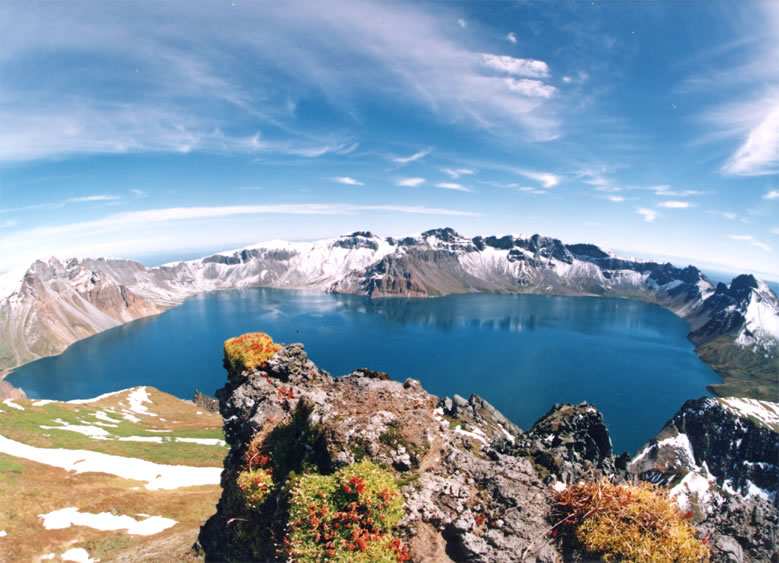
At 2,750 meters, Mount Paektu (Paekdusan) is the highest mountain on the Korean Peninsula and holds profound significance in Korean mythology and culture. Considered the mythical birthplace of the Korean people and the legendary birthplace of Kim Jong Il, this active volcano is sacred to both North and South Koreans. The mountain features a stunning crater lake known as Heaven Lake (Lake Chon)—the deepest mountain lake in the world at over 380 meters deep—surrounded by dramatic volcanic rock formations.
Access to Mount Paektu requires flying from Pyongyang to Samjiyon, a picturesque alpine town that serves as the base for exploration. From here, visitors can hike or take a funicular to the summit for breathtaking views of the crater lake. The Rimyongsu Waterfalls, fed by underground sources from Heaven Lake, flow year-round due to geothermal heat. The Paektusan Secret Camp features preserved log cabins said to be the birthplace of Kim Jong Il, set amid pristine forest. Despite its political significance, Mount Paektu is undeniably beautiful—a wild landscape of alpine meadows, crystal-clear lakes, and snow-capped peaks that was recently designated a UNESCO Global Geopark.
Located on North Korea's eastern coast along the Sea of Japan (East Sea), Wonsan is a port city and emerging tourist destination known for its beaches and relaxed atmosphere. As the gateway to the scenic Mount Kumgang region, Wonsan offers visitors a glimpse of North Korean seaside culture. The city is undergoing significant development as the government promotes tourism, including the new Wonsan Kalma Coastal Tourist Area.
Visitors can enjoy the sandy beaches of Wonsan Bay, where locals swim and relax during summer months. The Songdowon International Children's Union Camp, a massive recreational facility, showcases the country's commitment to youth programs. Nearby, the Chongsan Cooperative Farm offers insights into North Korean agricultural practices. For history enthusiasts, the Wonsan Revolutionary Museum documents the city's role in the Korean War. The city also serves as the departure point for cruises to Mount Kumgang (Diamond Mountain), renowned for its dramatic granite peaks, Buddhist temples, and waterfalls. Wonsan represents a different side of North Korea—coastal, relaxed, and focused on leisure rather than politics.
💬 Traveler Comments
Leave a Comment